Tag: Holy Spirit

  • Who is the Holy Spirit?

    Who is the Holy Spirit?

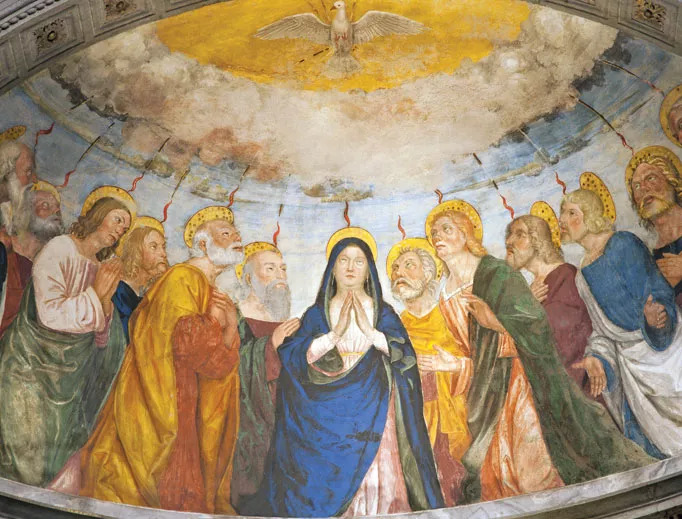
    VERONA: Apse of Chapel Miniscalchi in Saint Anastasia’s church from year 1506 designed by Angelo di Giovanni with main scene of the Pentecost.

    Pentecost is one of our highest feasts — marking the anointing and confirmation of the Church by the Holy Spirit. It is a true turning point for humanity, when God begins to interact with us in a new way. The Church’s liturgy for Pentecost is so full of the mystery surrounding the action of the Holy Spirit that it provides us with a dazzling array of Scripture to shed light on this event. The Vigil Mass has an extended form, much like Easter Vigil. Through four Old Testament readings and associated psalms, it reminds us how the Spirit has been guiding us and transforming our activity into something holy from the beginning of time. We hear of humanity’s hubris in the Tower of Babel, a symptom of our fallen state that God remedies by confusing our language. Lest we think that God is a malevolent God, doing this to spite us, he promises us through the prophet Joel, “I will pour out my spirit upon all flesh. Your sons and daughters shall prophesy … Then everyone shall be rescued who calls on the name of the LORD.” Of course, this is realized at Pentecost when the Spirit descends on Mary and the Apostles and reverses the confusion of Babel.

    But it’s more than just a loosening of tongues. Those tongues have something new to proclaim. We have become intelligible to one another once again, but only in a specific mode: allowing the Spirit to talk through us, to tell us about the Triune God and his saving plan for us through the person of the Son.

    The incredible reading from Ezekiel in the valley of dry bones is an astounding prophecy of the Pentecost in the upper room in Jerusalem. God tells Ezekiel, “Prophesy over these bones, and say to them: Dry bones, hear the word of the LORD!” Note how this foretells exactly what will happen. The “dry bones” of the Jews and Gentiles hear the word of the Lord from the mouths of the Apostles, the new prophets of a new age. God assures Ezekiel that his word will be efficacious. God tells the bones, “See! I will bring spirit into you, that you may come to life.” Indeed, Ezekiel sees sinews and flesh cover the bones as they stand, “but there was no spirit in them.” Now, note carefully — God tells Ezekiel to pray to the Holy Spirit: “Prophesy to the spirit, prophesy, son of man, and say to the spirit: … come, O spirit, and breathe into these slain that they may come to life.” How surprising! I find it more than a little striking within the Jewish context that the God who time and again reminds them that he is the one and only God, the Creator, tells his prophet Ezekiel to turn his appeals to the Holy Spirit. This is one of several times in the Old Testament, in fact, that when we read carefully, we see that God is telling us something about himself, about the three persons of the Trinity. It would take centuries until the Councils of Nicea and Constantinople could properly articulate an understanding (dumbed down for our human intellect) of the Trinity having one and the same essence of a single God, but three distinct persons in the Father, Son, and Holy Spirit. Nonetheless, we can trace their distinction to moments like these in Ezekiel and even to the creation story itself where God tells us that it is him, but also his Word and his Breath that act in creation in different ways.
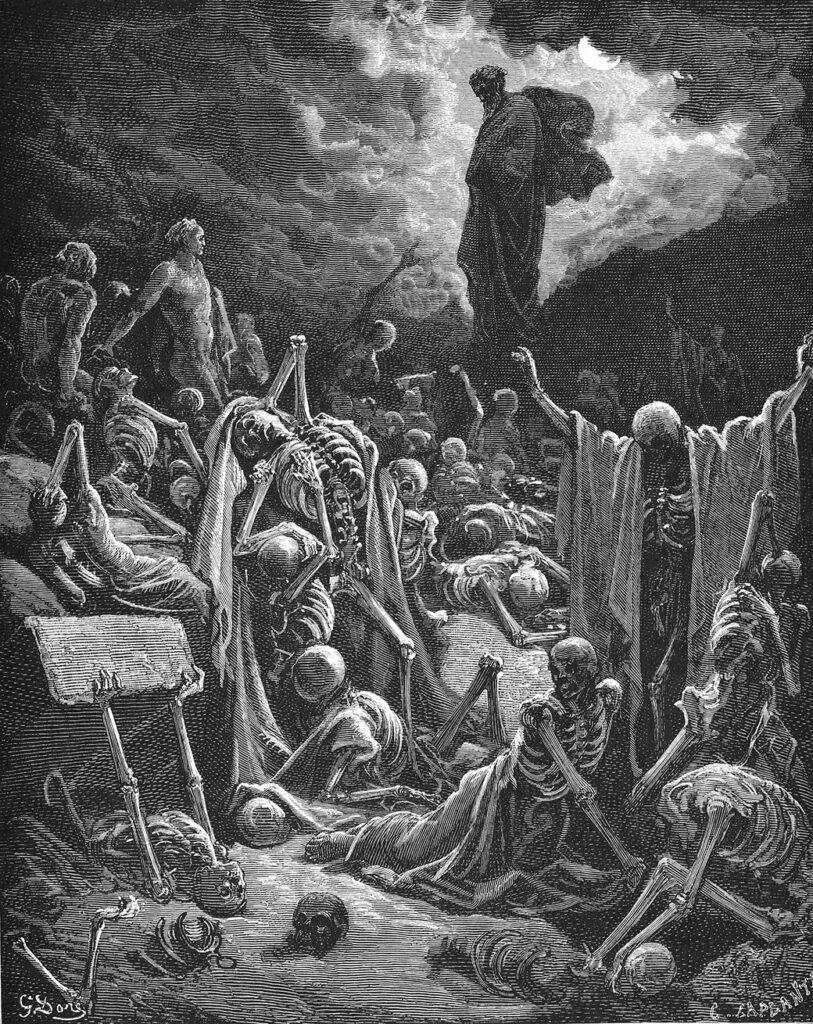
    Vision of the Valley of Dry Bones (1866), Gustave Doré | Wikimedia Commons.

    I want to take a moment to reflect on the person of the Holy Spirit. I think many of us might be quietly (and innocently) caught in a type of subordinationist heresy. Simply put, this means that we have the tendency to think that God the Father is hierarchically the main and most powerful person of the Trinity — effectively subordinating the Son and the Holy Spirit to being lesser than him. Don’t fret, we would be in good company because several early Church Fathers like Irenaeus, Tertullian and Justin Martyr were also likely subordinationist, but that’s because the Church hadn’t yet been forced to think hard and long about the relationship between the persons of the Trinity. That was foisted upon the Nicene Council by Emperor Constantine I to figure out in the year 325 A.D. In fact, it was the more serious heresy of Arianism, where Jesus was taught to be a created being, that was the cause of the council, but the effect was the same — the council came up with our formulation that we repeat in our Creed to this day, where the Father, Son, and Holy spirit are proclaimed to be consubstantial with one another. That is, of one and the same essence.

    Perhaps it’s because of some of the references to the Spirit in Scripture might make us feel that it is not as, I don’t know, approachable (?) reliable (?) as the Father. For me, it’s when Jesus tells Nicodemus, “The wind (pneuma) blows where it chooses, and you hear the sound of it, but you do not know where it comes from or where it goes. So it is with everyone who is born of the Spirit (Pneumatos)” (John 3:8). This passage leaves me with a sense of flightiness about the Spirit (although I think that’s erroneous). Plus, the Apostles are waiting in the upper room for the Spirit to come, and it seems like no one knows when it will come. So, we don’t know where it comes from, when it will come, or where it will go next. A heretic might say that this Spirit sounds unreliable. But Jesus tells us emphatically that “everyone who speaks a word against the Son of Man, it will be forgiven him; but he who blasphemes against the Holy Spirit, it will not be forgiven him” (Luke 12:10). So, let us never say that the Spirit is unreliable!

    Turning back to Scripture, of course, we find that the Spirit is both efficacious and reliable. If Ezekiel on the plain of bones isn’t convincing enough, we have the Word of God, Jesus, who tells us, “It is the Spirit who gives life” (John 6:63), and in reference to reliability, “how much more will your heavenly Father give the Holy Spirit to those who ask Him [than those who are evil and also fulfill promises]?” (Luke 11:13). We learn from Jesus that the Spirit gives us life, which is why we baptize in his name, and the Spirit is the one who speaks through us when we are blessed by God. The Spirit is the Father’s way of acting in and through us. All of this is possible because the Holy Spirit is God’s actual spirit! But I don’t know if that helps clear up the subordinationist heresy. A person’s spirit certainly seems to be an integral, if not central, part of oneself. But it’s not that whole self, is it?

    This is where we go wrong — using ourselves as a reference point to try to understand God. We should always go the opposite way and use the mysterious truth God reveals about himself to better understand ourselves.

    This Pentecost, I really leaned on correcting any misconceptions I was harboring about the Holy Spirit as a secondary divine player. Some of this was reflecting on the work of the Council of Nicea in affirming that the Spirit is the same exact divine essence of the Father and the Son. Another was a re-reading of the opening of the Letter to the Hebrews, where the Holy Spirit speaks through the writer (St. Paul or one of his followers) with this astounding and clear proclamation: “[The Son] is the reflection of God’s glory and the exact imprint of God’s very being” (Hebrews 1:3). I’m not presuming to tackle one of the most difficult fields in all of theology in understanding the mystery of the Trinity, but there is one point that my brain was able to process here. Being of the “same essence” is a technical way to talk about being “the exact imprint of God’s very being.” This phrase from Hebrews is very specific and resonates with me differently.

    If we apply the “exact imprint” thought to the creation scene, we might see something different. When God creates Adam, he “breathed into his nostrils the breath of life” — this breath is his Spirit (rukah in Hebrew and pneuma in Greek refer equally to breath, spirit and wind). This is not a metaphor, it is a way that God is revealing the mystery of the Trinity to us. The action of a human breathing might bear some resemblance to God breathing, but only a shadow of it. The Father is so superabundant and generative that when he breathes, his breath contains all that he is. This is no normal exhale. This breath is God sharing his very essence, so strongly that this essence has its own personhood and action in Creation. In the same fashion, the Word is from God, and it is also fully God, a personhood of his essence who is active in the world in a special way. This Creator who can make all of Creation with a Word and a Breath imbues his essence into everything simply by thinking about it! His presence is so overwhelming that just a whiff of his essence could spawn a thousand galaxies (although everything he does is intentional and intelligible, as his Word and law attest). Imagine what his actual, full Spirit can do!

    These are things we cannot do — imbuing our very selves in our breath and world — and we have no power to create and inspire and be truth. And yet, by the grace of God we actually can create some things (physical, emotional, mental) and we can inspire one another, and we can speak the truth, all just in an infinitely reduced way compared to God. Do we pride ourselves in our little godhood or do we recognize that what we are sharing in is a gift from the one who created us? Can we realize just how much greater God’s power is than our little triumphs in life? 

    More importantly, are we doing the good that God wants us to do? I want to shift from thinking about how the Spirit is fully God to thinking about how important it is that God is giving his full self to us now in the End Times. We receive the Spirit as much as the Apostles in the upper room did, albeit the way this manifests in us is different. While the Spirit is present in all of our Sacraments, Baptism and Confirmation confer on us a personal evangelical call that we too often ignore. Consider what happened to the Apostles when the Holy Spirit descended on them. We are told in the first reading of the Pentecost liturgy during the day, “And they were all filled with the Holy Spirit and began to speak in different tongues, as the Spirit enabled them to proclaim” (Acts 2:4). What did they proclaim? The rest of Acts chapter 2 relates Peter’s great homily, where he proclaims, “This Jesus God raised up, and of that all of us are witnesses. Being therefore exalted at the right hand of God, and having received from the Father the promise of the Holy Spirit, he has poured out this that you both see and hear” (Acts 2:32-33). Here’s the nugget! The Spirit is poured out so that the Apostles can share the saving truth that God worked through his Son, Jesus Christ.

    The Spirit is not poured out simply to make them feel emboldened or to grace them for being good people. There is a purpose, because now the End Times have begun and all of humanity is given some time to turn their hearts to the Way, the Truth and the Life before the Last Judgement.
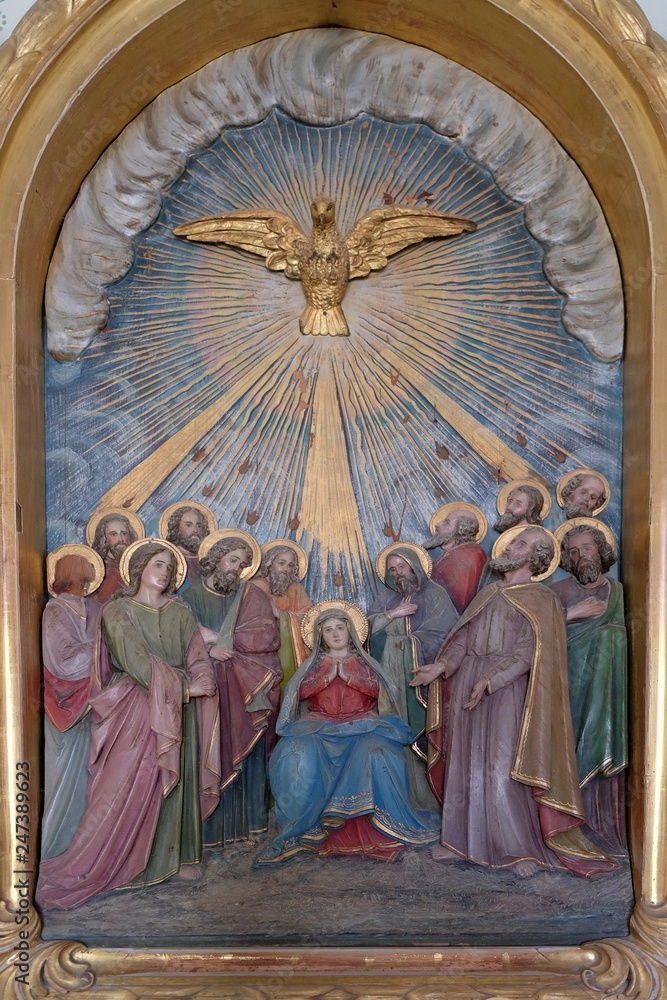
    Pentecost, the descent of the Holy Spirit in the chapel in the village Stitar, Croatia. Photo from Adobe Stock.

    Note how the Letter to the Romans acknowledges this moment that we still live within, found in the Pentecost Vigil epistle reading:

    We know that all creation is groaning in labor pains even until now;
    and not only that, but we ourselves,
    who have the firstfruits of the Spirit,
    we also groan within ourselves
    as we wait for adoption, the redemption of our bodies. …

    the Spirit too comes to the aid of our weakness;
    for we do not know how to pray as we ought,
    but the Spirit himself intercedes with inexpressible groanings.

    In other words, the whole point of life is the “adoption, the redemption of our bodies,” when we will be reunited perfectly with God. We — indeed, all of creation — are groaning in the labor pains brought about by Christ’s life, death and resurrection. And the Spirit is here to help us during this time, filling our mouths with the saving message of Jesus Christ, which gets us to this adoption, i.e., Heaven.

    Let’s repeat this: the Spirit is given to us (today, in our Sacraments and freely by grace) specifically to fill our mouths with the redemptive message of Jesus Christ — intelligible in all languages and meant for all people. We are supposed to be sharing the Way, the Truth and the Life with others. This is what it means to truly love your neighbor. I meet so many Christians who think loving your neighbor means good deeds, kind words, and a helping hand. But without the message of Jesus Christ, who was literally raised bodily from the dead to create a new path to salvation for us, these good deeds are meaningless. Because the point has never been this life or making things better in this world. The point has always been to do God’s will, which is absolute goodness and truth, so we can be as worthy as possible for the redemption he is holding out to us. How can we have fallen so far from this message?

    The second reading on the Pentecost liturgy celebrated during the day makes this point crystal clear: “If the Spirit of the one who raised Jesus from the dead dwells in you, the one who raised Christ from the dead will give life to your mortal bodies also, through his Spirit that dwells in you” (Romans 8:11). Being raised from the dead — body and soul — to dwell with God in Heaven is the point of the Spirit being sent to us. That’s what we celebrate on Pentecost and that’s what makes us Christian.

    I pray on this Pentecost that Catholics will be shocked out of their lukewarm tendencies, their acedia that keeps them comfortable in their jobs and money and little material triumphs. We must truly let the Spirit that has soaked our souls in our baptisms and confirmations to open our mouths to proclaim with the Apostles that Jesus Christ is the Way that all humanity has been given to share in God’s eternal glory.
  • Souls: Our Nature Under the God of the Living

    Wednesday of the 9th Week of Ordinary Time (Memorial of Saint Charles Lwanga and Companions, Martyrs): 2 Timothy 1:1-3, 6-12, Mark 12:18-27.

    Today’s readings present an incarcerated St. Paul, sincerely encouraging Timothy even as he faces his ultimate fate, and the gospel reading shows Jesus telling the Sadducees that they are “greatly misled.” Together, these readings shed light on what makes us who we are, especially as Christians baptized in the Holy Spirit.

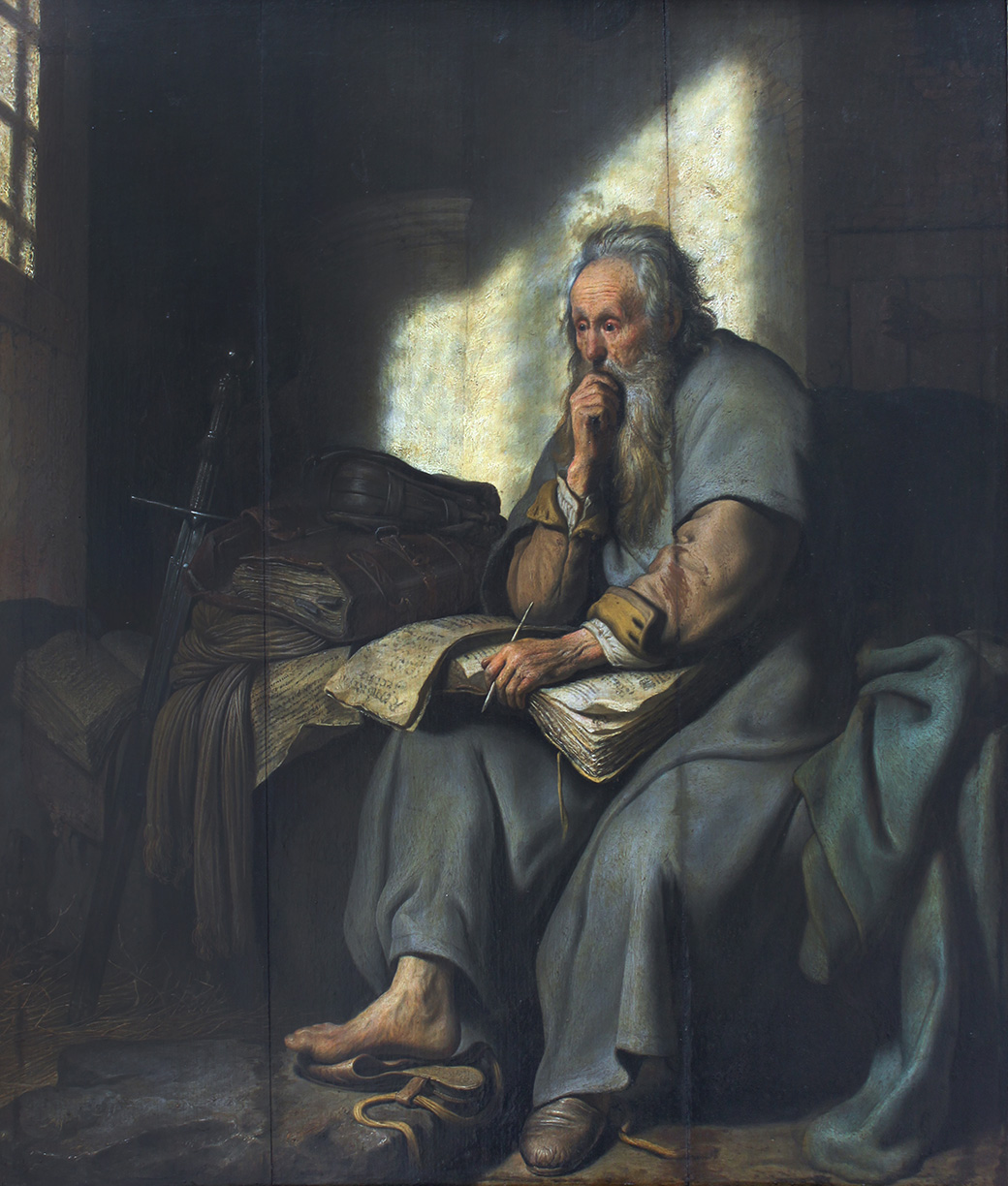
    What a lovely opening to the 2nd Letter to Timothy. Paul, writing what we believe to be his final letter from the prison in Rome, sweetly greets his old friend Timothy and blesses him from afar: “to Timothy, my dear child: grace, mercy, and peace from God the Father and Christ Jesus our Lord.” What follows is an incredible statement of surety and courage from someone who is at peace with his relationship to God. We must remember the trials that St. Paul has faced by this point: a lackluster acceptance by the mother Church in Jerusalem that is dominated by Jewish converts to Christianity, beatings, imprisonments, shipwrecks, attempts on his life, and even witnessing the backsliding of the Christian communities he founds, some of which will completely fail. It’s fair to say that most of us would have been discouraged, if not in despair, that is, if we had not given up long before. But not Paul, for he is a man who lives in and with the Spirit, who graces him with legendary perseverance in spreading the Word of God and confessing the nature of Jesus Christ as the Savior of the World. He is like one possessed, but this possession is a strengthening and lifting of his character, not a diminishing of his person. He is an incredible example for us of someone who singularly does God’s will, and in so doing is transformed into something greater. 

    St. Paul in Prison (1627), Rembrandt | Wikimedia Commons.

    No, he does not express despair but instead thankfulness: “I am grateful to God, whom I worship with a clear conscience as my ancestors did.” This is a pattern we will see through the ages: saints who exhibit serenity, peacefulness, and gratitude while accomplishing the work of God, especially as they approach their own deaths. And this work never ends as they submit their own will to God; Paul has a clear exhortation to Timothy in this passage: “I remind you to stir into flame the gift of God that you have through the imposition of my hands.” Let’s dig into this for a moment. He clearly references Timothy’s baptism in water and the Spirit — the same baptism we all share — and reminds him to “enkindle” or “stir into flame” the “gift of God” that he received through his baptism. Two things we might note: we, like Timothy, must do something, must engage with and “stir into flame” the gift given to us at our baptism. Second, Paul tells us that the gift is God Himself. He doesn’t speak of various “gifts of the Spirit” like he does in other epistles, nor should we take him to mean specific charisms, talents, or skills. He reminds Timothy that we receive a share in God Himself as we are baptized in the name of Jesus Christ, as we are anointed and initiated into God’s saving plan for us. God dwells within and works within us, but as Paul says, we must stir this gift into flame.

    Paul goes further to characterize the spirit of God that is the gift within us: “For God did not give us a spirit of cowardice but rather of power and love and self-control.” When I heard this, the first thing that came to mind were the several historical fiction shows I watch on Netflix and Amazon about Christians and Vikings in the middle ages. Perhaps it was the close proximity of the words “cowardice” and “power.” Images of Christian soldiers fighting (and hating) pagan enemies come across my mind. Sure, it’s cinema, but we know from documents surrounding the Crusades and historical records throughout Europe that Christians conflated their insistence on the truth of their faith with the peacekeeping efforts of secular powers. In fact, there was little separation in many countries between the secular power (king & queen) and the religious hierarchy (bishops). Let’s be clear: the loser in this equation has always been the faith. Secular interests like expanding a country’s power in the region work in direct opposition to what Christ taught. The sad result for the faithful is that they see their faith as an instrument of power or their religion as something that demands respect and authority. How off-kilter is this from what St. Paul tells Timothy today? Paul writes that God’s gift is not “a spirit of cowardice,” but this does not mean an aggressive attitude towards others; rather, it is a way to encourage Timothy not to hide and be quiet in the face of persecution. He tells Timothy, “bear your share of hardship for the Gospel with the strength that comes from God;” this is the opposite of cowardice. Paul also writes that our baptismal gift is a spirit of “power and love and self-control.” The “power” can only refer to the indefatigability of the eternal Word as well as the eschatological power of everlasting life. It is not earthly power as measured in swords, treasure, and territory. The other two nouns used by Paul accompany this type of heavenly power: love and self-control are not things typified by battlefield berzerkers but by kindly saints. I’ve always struggled a bit with the “Church Militant” terminology and perspectives like a “muscular” Christianity. Proponents of this terminology are tempted to relate spiritual warfare with the devil to secular warfare with non-Christians. Spiritual warfare is a very real internal struggle to uphold the purity of our souls, not an external campaign to wipe out anything non-Christian in the world. I simply think that military metaphors are overplayed in some religious rhetoric, and in the light of today’s example that Paul gives us, we should instead have a model of the suffering but persistent saint, unfazed by seeming earthly failure, serene in proclaiming the Good News, non-violent, and filled to overflowing with the Spirit of love and self-control. Our model is this man who writes, “I am not ashamed, for I know him in whom I have believed and am confident that he is able to guard what has been entrusted to me until that day.”

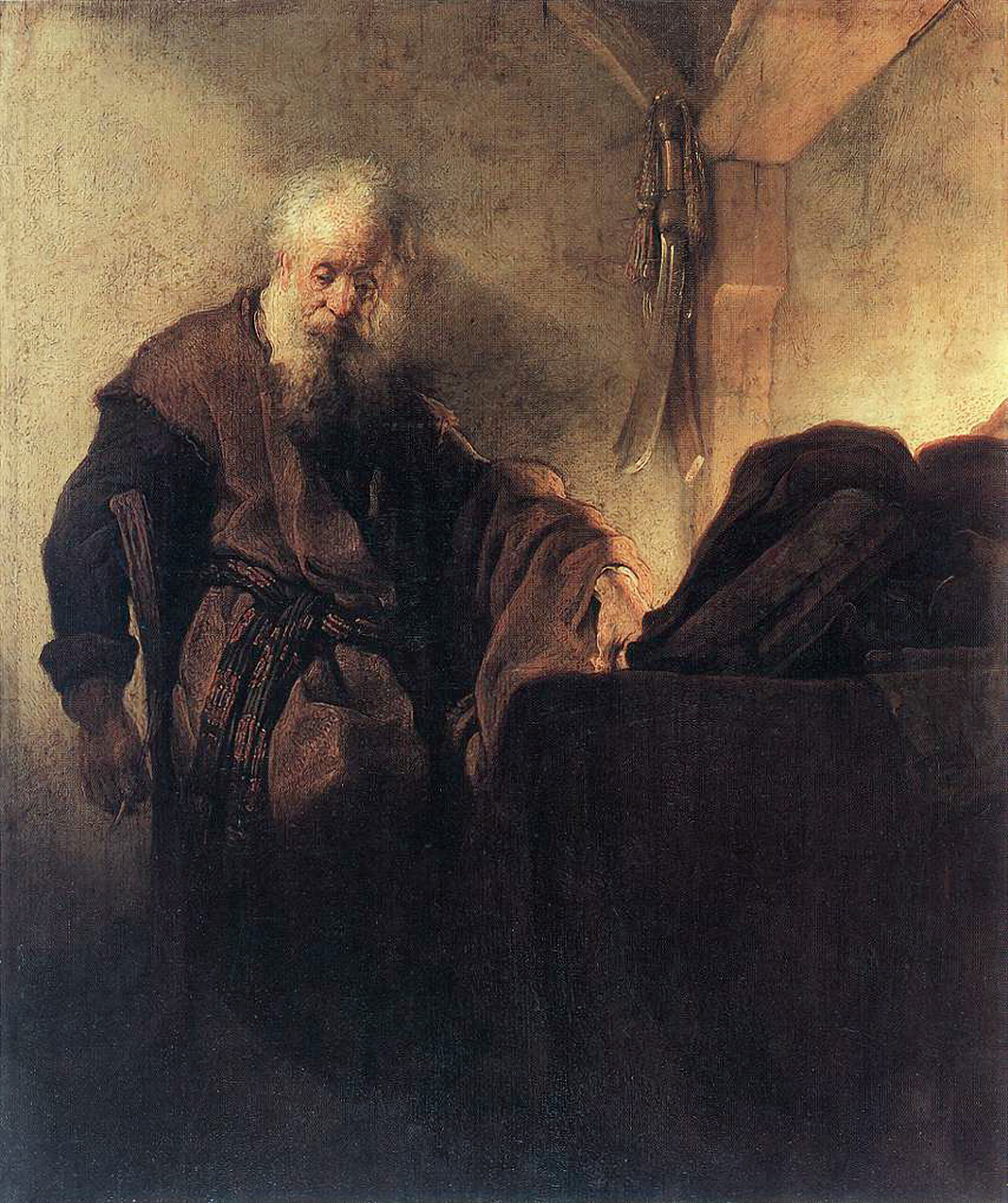
    St. Paul at His Writing Desk (1629-1630), Rembrandt | Wikimedia Commons.

    What kind of person is this saintly Christian? What kind of person does not define himself or herself based on accomplishments, wealth, property, or children? This is someone whose focus is unrelentingly God-centric. This is what we are called to be. Yet how much of the time are we unrelentingly God-centered? 5% of the time? 1% of the time? We should be exhorting one another to “stir into flame” our baptismal gift, just as Paul writes. 

    It seems to me that St. Paul demonstrates how he has located his own soul here at the end of his life. He is intimately in touch with that “gift of God,” the spirit that anointed his soul when he himself was baptized. He has gotten to know, prioritize, and hold up for all to see the spiritual aspect of his human person. How thoroughly absent this is in our contemporary lives! We relegate this type of spiritual person to the cobwebbed corners of our society — perhaps the bearded monk blissfully praying away in the monastery or the chaste nun slaving away in the inner city. We settle with a laughable concept of “spiritual” that winks at us in mindfulness exercises or New Age retreats. Meanwhile, we revere the intellectual and the physical: scientists with Spock-like logic and rationality are seen as one type of paragon while athletes are seen as another. I’m not suggesting that intellect and physicality are unimportant parts of who we are, but if we want to be Christians, we have to be serious about our souls as the most important part of our person.

    To my mind, Jesus says just as much in today’s gospel reading. The Sadducees, a powerful political and religious group among the Jews, do not believe in resurrection; more specifically, they don’t believe in the immortality of the soul, which rules out resurrection. This is why they become one of the primary enemies to the early Christian Church, which proclaimed Jesus resurrected. They attempt to challenge Jesus with a tortured question about whose wife a woman would be in the afterlife after successive remarriages. Jesus points out this ridiculous line of questioning from the get-go: perhaps “you do not know the Scriptures or the power of God?” He poses. First, He points out that there is no marriage for those risen from the dead because they are “like the angels,” united with God in a bond more significant and profound than any marriage. This is a point-blank insistence in the immortality of the soul, contrary to the Sadducees’ beliefs. Further, Jesus pulls an example from Exodus, a book in the Pentateuch that they revered and read literally. He points out that God identifies Himself to Moses as the God of Abraham, Isaac, and Jacob, in other words, patriarchs who were hundreds of years dead. Jesus seems to be saying that God was not just mentioning the patriarchs as a memory of ones once alive but as ones alive and dwelling with Him. Indeed, Jesus completes his answer by stating, “He is not God of the dead but of the living. You are greatly misled.” Some have commented that Jesus is frustrated in this passage or that he rebukes them, but I think that this is a great example of self-control and plain truth spoken by our Lord. He doesn’t call them fools or tell them that their question is stupid. Instead, he hears their question, as duplicitous as it may be, and re-directs the conversation to the fundamental question that needs to be addressed with the Sadducees: that of the immortality, the ongoing life, of the soul.

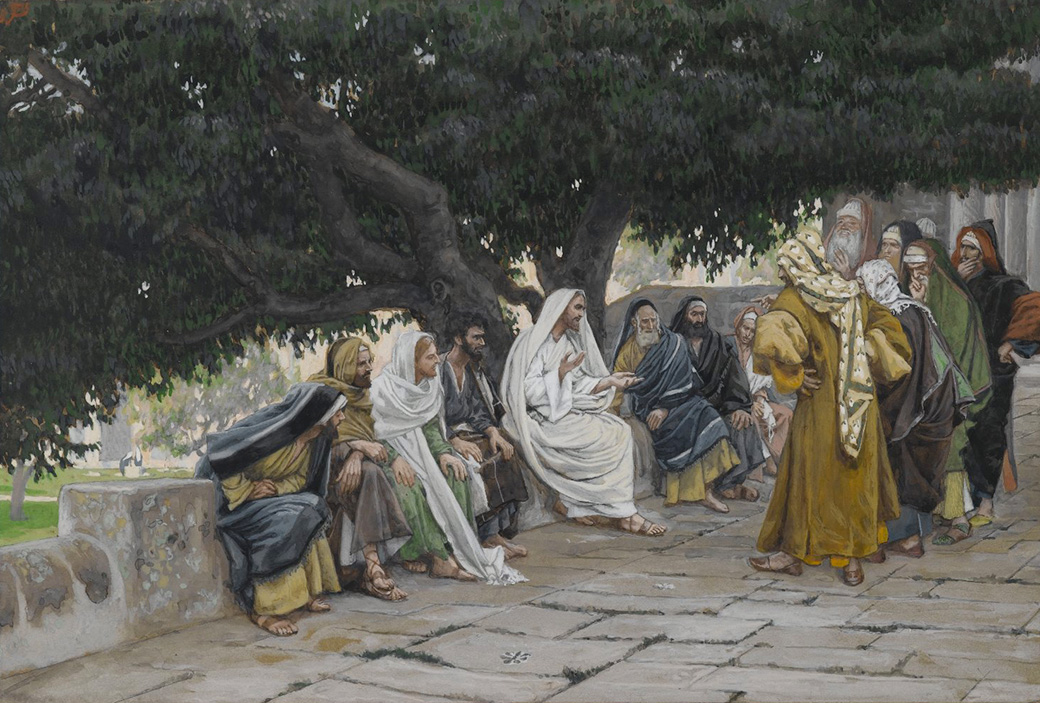
    The Pharisees and the Saduccees Come to Tempt Jesus (Les pharisiens et les saducéens viennent pour tenter Jésus), 1886-1894, James Tissot | Creative Commons, Courtesy the Brooklyn Museum.

    Let’s consider the importance of this teaching. At the heart of it is who we truly are and who our God truly is. We are promised to be “like the angels in heaven,” where even fundamentally important human relationships like marriage no longer matter as we come face-to-face with the Great I AM. Our God is the God of the living, not of the dead. What part of us participates in this rising from the dead? The Church teaches that it is our entire being, body and soul, although we hear St. Paul emphasize over and over in his letters the importance of the soul and detachment from the worldly. This is significant not in order to discount the rising of the body, but to elevate the importance of that invisible part of us, easily overlooked and ignored. As Jesus insists here in the gospel reading and as St. Paul demonstrates in his serene encouragement of Timothy, we are made of something that is immortal, that communes with our God of the living, and that thing is the soul. It is the organ that is perceptive to the Spirit and most in communion with God. Elsewhere, Jesus notes the importance of the soul for our true, everlasting lives: “Do not fear those who kill the body but cannot kill the soul; rather fear him who can destroy both soul and body in hell” (Mt 10:28). This instruction to his disciples is right in line with today’s first reading from Paul, albeit more ominous in tone. Do not be ashamed or afraid of earthly trials, instead focus on the One who can preserve your soul in everlasting life.

    I am left reflecting on how much I may or may not be “dwelling in my soul” rather than in my mind and body, and what that might even mean. I think it must start with a desire, a thirst for God; a desire to connect that invisible part of me with the invisible God. This is the seed of faith, and my goal is to water that seed with prayer, study of divine scriptures, and loving action in the world. This last bit — the loving action — I have the feeling is the true soul-expander. 

  • The Advocate Comes to Convict

    Tuesday in the Sixth Week of Easter: Acts of the Apostles 16:22-34, John 16:5-11.

    Today’s readings may seem like standard Easter season fare: miraculous things happen with Paul as he evangelizes throughout the Near East and in the gospel, Jesus talks about His impending death and Resurrection. But we have to stop and examine them closely because they reveal some important aspects of the Holy Spirit, and therefore about the Holy Trinity, God Himself. 

    In the gospel reading, Jesus clearly references each Person of the Trinity separately. He says, “Now I am going to the one who sent me,” referring to His journey back to the Father. He proceeds to guide them through a new way of viewing a departure from this world. This is the psychology of the New Covenant, wherein death no longer has finality for us. First, he marvels a bit that “not one of you asks me, ‘Where are you going?’” as a way to signal that something greater resides in the place He is going. This is a gentle way of telling the apostles (remember, this is John’s account of His long speech during the Last Supper) that they are still focused on the wrong thing (i.e., death) and should be focused on the right thing (i.e., everlasting life with God). He notes that “grief has filled your hearts,” and this psychology of grief is one that we struggle with to this day when we think of a loved one who has passed.

    Jesus then describes the unfolding of the Church in the final days and tells them how His passing will benefit them more than if Jesus stayed on earth. This is rather incredible, and something that we don’t consider much as we think about our Savior. Jesus says, “it is better for you that I go. For if I do not go, the Advocate will not come to you.” Thus, the first thing we hear about the Trinity is that the Persons act separately in the world, according to their time. Let’s consider how logical this is: God is One and indivisible. Thus, while God’s essence is incarnate on the earth in bodily form (i.e., Jesus), He is also not actively working in the form of His Spirit. As we are taught, a human has a body and a spirit, united and given life by God. So I can speak of myself and refer to my body (Michael’s body) and my spirit (Michael’s spirit). Let’s apply this to Jesus. He has His body, which He will offer up as a sacrifice, gathering all the world’s sin to be sacrificed in His Body on the Cross. He also has His Spirit, which in the case of God incarnate, is the Holy Spirit itself. Let’s repeat: Jesus’s Spirit is the Spirit of God, the Holy Spirit. This wonderful mystery is what makes our salvation possible. The immortal takes on mortality so that it can burst into this world and give us a share in immortality, defeating death, which can never take God. The world-changing realities that Jesus is revealing to this small band of his apostles are truly mind-boggling, and He acknowledges this in the verses following today’s reading: “I still have many things to say to you, but you cannot bear them now.” They cannot bear them because of their sadness and also because they have not yet seen him risen from the dead. The realities must begin to unfold on their own for the apostles to grasp what’s going on.

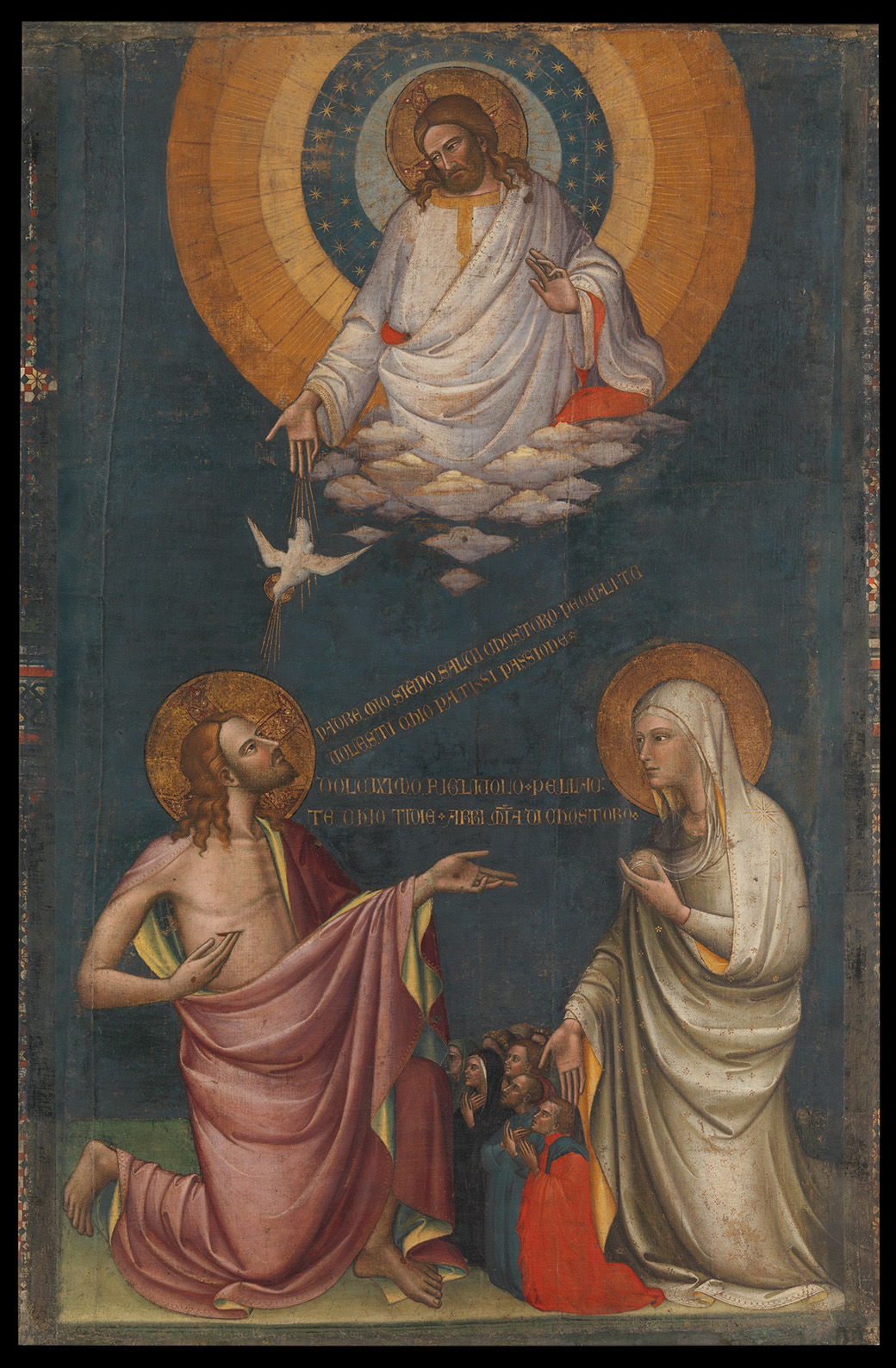
    The Intercession of Christ and the Virgin (before 1402), attributed to Lorenzo Monaco (Piero di Giovanni) | Creative Commons, courtesy the Metropolitan Museum of Art.

    Jesus tells His apostles that while the Holy Spirit is bound to the Body of Christ in the world, it cannot be active in the world apart from Him: “if I do not go, the Advocate will not come to you.” Jesus’s death, Resurrection, and Ascension to the Father mark (at the very least): 1.) the salvation of humanity from the reign of death, 2.) the beginning of a new age, the “final days,” when we can sacramentally participate in the life of the Trinity and the reign of God, and 3.) the release of the Holy Spirit into the world as God’s primary way of interacting with humanity.

    Jesus expounds: “if I go, I will send him to you.” Again, once Jesus ascends, the Spirit can be sent to them. Note that we reflect Jesus’s statement in the Nicene Creed: the Holy Spirit “proceeds from the Father and the Son.” Jesus can send His Spirit just as the Father can because “All that the Father has is mine” (Acts 16:15). Yet notice how Jesus maintains the autonomy of the Spirit as a Person of the Trinity. He continues to refer to the Spirit as “him” and “he.” In His ministry, He calls the Spirit the Paraclete and the Advocate. How mysterious and wonderful that the Spirit of God, the Spirit of Christ, is granted personhood in the way that the Son is granted personhood. The Spirit is undoubtedly a part of God and a part of the Son (indeed, the very spirit of the man Jesus Christ), yet Jesus speaks of Him as an independent actor in the world. This is consistent with how Jesus acknowledges that everything He is given is a gift from the Father — He does not even speak of His own Spirit as something that He has ownership over. And this seems right and just, for how can a man “own” his spirit, even if that man is the Son of God? The spark of divinity, the Breath of God, is not owned or subservient to any being. And here the Person of the Holy Spirit is not inferior or subservient to the Person of the Son. All Persons of the Trinity are united in God’s love, which grants autonomy and truth above all.

    Then Jesus gives us some incredible insight into the action of the Spirit in the world: “And when he comes he will convict the world in regard to sin and righteousness and condemnation.” What can this mean? Is the mission of the Spirit to “convict the world”? When we look at the original Greek, we indeed see the verb ἐλέγξει (elenxei), and according to Thayer’s Greek Lexicon, this means: “1. to convict, refute, confute, generally with a suggestion of the shame of the person convicted; 2. to find fault with, correct.” How can this be, since the Spirit is known also as the Consoler? Does a consoler convict people? Also, how does this jive with the fact that God is ultimate goodness and love?

    Let’s consider that Jesus is doing some consoling of His own with His apostles when He shares this promise of the Spirit. He explains in the next verse, “sin, because they do not believe in me; righteousness, because I am going to the Father and you will no longer see me; condemnation, because the ruler of this world has been condemned.” He is telling them that the Spirit will uphold the fact that Jesus is, in fact, the Savior of the World. There is a certain consolation for them to know that they are following the true path, the true Son of God. So the Spirit will convict those who willfully do not believe in Christ (their sin is convicted), will uphold the righteousness of those who do believe (he will do it because Christ who has ascended cannot be there to do it), and condemnation of the chief priest/Pontius Pilate (“the ruler of this world”) for executing the Savior. 

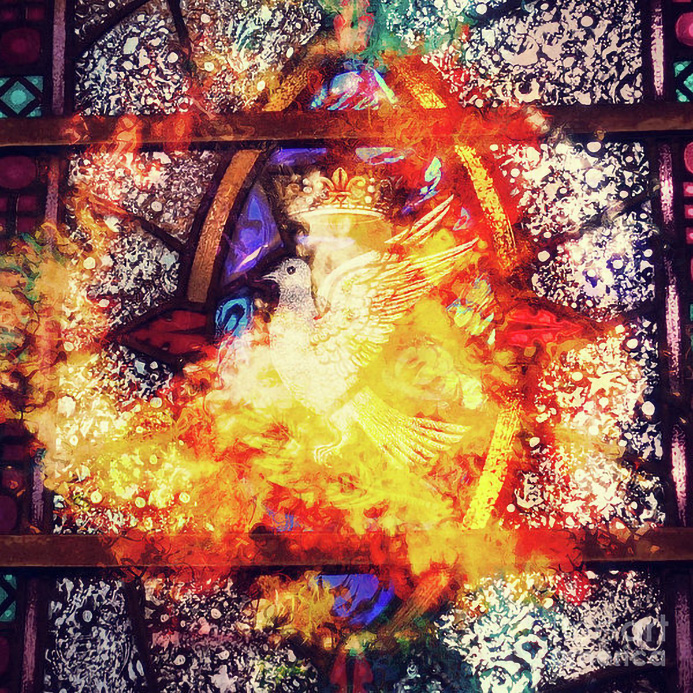
    Fire of the Holy Spirit (contemporary), Davy Cheng | image from fineartamerica.com.

    We can start to see how “Consoler” is an appropriate title for the Spirit who will uphold the mission of Christ in the world, thus consoling Christ’s disciples. But how about reconciling this action of convicting the world with the nature of God being goodness and love?

    I think the key to understanding this seeming paradox is found in the verses immediately following today’s gospel reading. Jesus continues to give the apostles hope by describing the close guidance the Spirit will provide them: “When the Spirit of truth comes, he will guide you into all the truth; for he will not speak on his own, but will speak whatever he hears, and he will declare to you the things that are to come.” Jesus refers to the Holy Spirit as the “Spirit of truth.” Just as Jesus is the fulfillment of the Law, the Holy Spirit is the very truth of God, active in the world. We must understand this aspect of the Spirit if we are to understand how He works in the world. The truth of God is not something that is “maybe this, maybe that.” It is not equivocal, up to interpretation. It is “what is right,” which means that there are things that are wrong. How unpopular in today’s world where the prevailing axiom is “this problem is not black and white, it’s many shades of grey.” Let’s not deny that there is complexity in the world and that most problems are multi-faceted. But that’s not the same thing as saying that right and wrong don’t exist. Sure, problems can be multi-faceted but at the same time, the individual choices that make up a solution to complex problems can be right or wrong. Since the Creation, God has been sharing with us His truth, His commandments, in order to teach us the right and wrong that make up goodness in the world. Do we have the intellectual space for God’s truth when we demand that everything is nuanced and no “truth” exists that can transcend everyone’s specific context? This is the central claim of the postmodern world, that specific perspectives are the only real thing and there is nothing universal, no “truth” that can transcend or supersede specific contexts and perspectives. (Of course, this claim is itself a universal “truth,” oh, the irony!). Yet the history of salvation demonstrates the opposite: there is universal truth, and that universal truth is God.

    Let’s return to the question of love and “convicting the world” coexisting in the Spirit of God. I am reminded of our reflection about the Purifying Love of God (see The Purifying Fire We Call God’s Wrath). God’s love, uncompromising in its truth, has a terrible aspect to those in sin, who cannot stand its purity. This is how we can speak of the “wrath of God.” Simply put, there is no room for evil, sin, and wrong thinking in the presence of God. God’s ultimate goodness, truth, and love vaporize those things in his purifying fire. This is why no one could look at God when He was with Moses on Mt. Sinai. This is why His Spirit appears as a cloud that obscures our sight, protecting us from a fire that none of us is truly able to bear.

    So it is the truth that the Spirit brings that is both loving (after all, His message is that of Christ) and convicts those in the wrong. Only truth points out right and wrong. All human legal systems try in an imperfect way to get to “truth” in order to convict those in the wrong. Jesus shares with us that the Holy Spirit is really the only one who can do this infallibly. We must live in Him and with Him in order to access the truth.

    This brings us around to today’s first reading where St. Paul and Silas are unjustly stripped, beaten with rods, and imprisoned in Philippi. We don’t hear the verses leading up to this, which explain why they are treated in this way. I don’t mean to make light of anything, but it’s a little funny that what causes all of this is Paul being annoyed by a spirit that inhabits a slave girl. The scene is this:

    One day, as we were going to the place of prayer, we met a slave-girl who had a spirit of divination and brought her owners a great deal of money by fortune-telling. While she followed Paul and us, she would cry out, “These men are slaves of the Most High God, who proclaim to you a way of salvation.” She kept doing this for many days. But Paul, very much annoyed, turned and said to the spirit, “I order you in the name of Jesus Christ to come out of her.” And it came out that very hour. But when her owners saw that their hope of making money was gone, they seized Paul and Silas and dragged them into the marketplace before the authorities. (Acts 16:16-19).

    So Paul releases the girl from spiritual possession, the power of which is a gift from the Holy Spirit, but the consequence is that the greedy owners want retribution. This is quite the commentary on truth. The spirit of divination is something that evidently brings truth into the world. After all, it correctly identifies Paul and Silas as slaves of God who “proclaim a way of salvation.” But this spirit has possessed a human in what must be understood as a type of enslavement; after all, she is an actual slave, which is not a coincidental or accidental aspect of the story. The spirit of truth is being used not to free people to make their way to God but instead as a way to make greedy people rich. This is not the objective of truth, it is against the nature of truth as found in God. Thus, Paul’s exorcism is just, and it tells us something of the fact that even when truth is found, it must be used appropriately, with reverence to God and His plans for humanity.

    The way truth is enslaved in the girl is again enacted when Paul and Silas are imprisoned under the care of a jailer who “put them in the innermost cell and secured their feet to a stake.” Now that’s a depiction of the entrapment/imprisonment/enslavement of truth! But this is against the very nature of God. It simply cannot stand. No force of man or nature can capture and silence the truth of Jesus Christ. 

    Silas (contemporary), Carolina Ines Vivenza | image from useum.org.

    I love the fact that Paul and Silas were praying and singing hymns to God for the other prisoners to hear. What light in the darkness! Does this not remind you of Hananiah, Azariah and Mishael as they are put in the fiery furnace by Nebedchunezzar? Or Esther during her three-day petition to the Lord? Paul and Silas are so full of the Holy Spirit it swells in my heart just to read it. And of course they are — only as such, as ones fully embracing and being embraced by the Spirit, could the earth be shook, their chains broken, and the doors of the jail flung open. Let us all take heed: this is how we must be, not wavering in our joyful embrace with God despite beatings and jailing. The truth of Jesus Christ must be so much a part of who we are that nothing stops the truth that we pour out of ourselves into the world. The truth comes with prayer, praise, and thanksgiving.

    What’s more, the truth comes with love. For what does Paul immediately do but shout out in a loud voice to the jailer: “Do no harm to yourself; we are all here.” He does not blame or seek retribution on the jailer who was simply doing his job. He meets him with love and an offering of salvation: “Believe in the Lord Jesus and you and your household will be saved.” In an almost storybook ending, the jailer takes them home and bathes their wounds, they, in turn, catechize and baptize him and his family, and they all “rejoiced at having come to faith in God.”

    Speaking the truth, that is, convicting the wrong and upholding the right, is part and parcel of the loving work of the Holy Spirit. There is no contradiction here. In this way, the first reading is the real-time reporting of the work of the Holy Spirit as Jesus promised He would come. St. Paul is a fantastic, enduring figure of one who intimately knows the Holy Spirit and brings the Word of God to the world fully within the embrace of the Spirit. That is why his letters make up such an important part of our scriptures and why we should read them over and over as we slowly gain more insight into God’s love for us.

    So we have explored Jesus’s promise of the Holy Spirit and how the Advocate will come to convict those rejecting the truth of Christ and uphold those who have embraced the truth of Christ. Logically, our next question is: so what? How does this make me a better Christian?

    I think the first repercussion of this knowledge in our lives is that we must allow ourselves to be conformed to the truth. The truth is no small line item in Christianity. Jesus said, “I am the Way, the Truth, and the Life,” so it is clearly THE central item of what He brings to us. This emphasis on truth does not end with the Cross — He promises us “the Spirit of truth” when He speaks of the Holy Spirit. Thus, this way we’ve discussed of understanding truth as something that reveals and upholds Godliness and righteousness and at the same time reveals and condemns sinfulness must be central to who we are in the world. This is the Way that is Christ. I am not a neo-Inquisitionist; I don’t think we should imagine we as individual people have a monopoly on truth (see my second repercussion below). But I do think that we have become rather limp in our modern Christianity. We have accepted too much of the postmodern insistence that there is no universal truth. When we conform ourselves to the truth that is Christ, we uphold the clear commandments he gives and condemn the sins that he condemns. There is nothing wishy-washy about Christ and His ministry. He fulfills the law that God has given His Chosen People. There should be nothing wishy-washy about our faith and the truth we bring to the world, either.

    The clearest embodiment of being “conformed to the truth” that strikes me is our approach to morality, in other words, doing right vs. doing wrong. For perhaps the last 400-500 years, our understanding of morality has been dominated by a sense that we should do something, often against our own inclination. This is a dangerous road we’ve been on, and one that doesn’t lead to God. This sense of should inevitably leads to guilt and a feeling of sinfulness rather than living in the embrace of God. In other words, morality has become an external obligation rather than an internal desire to unite and conform oneself to God. Morality has become a bugbear. Why would we turn morality into something we frankly loathe because it makes us feel bad about ourselves? Morality is supposed to be about goodness, about Godliness. And perhaps here is where we can pivot. If we have been emphasizing an obligation where what is right is often opposed to what we want, we can pivot to contemplating the right as the very thing we want. 

    This is the act of conforming ourselves to the Truth that is Christ: morality is knowing what Jesus would do and what Jesus would say. It is an embrace of the good in the world and a rejection of sin. It is a willingness to be led by the Spirit as opposed to being led by our base desires, our greed, our lust, and our pride. We willingly change and mold ourselves to the model of Christ, and we are given so many gifts to do it: our conscience, the Holy Spirit, and the Church.

    This brings me to the second repercussion that strikes me from today’s reflection. Let’s suppose that we want to open ourselves to the Spirit. Let’s assume we are also surrounded by secular pressures and ideas … work, “me time,” healthiness, politics, etc. It can be tricky teasing apart the Spirit’s action and God’s voice in our lives from everything else. Meditation in a goat yoga class might seem equivalent to adoration at church. But these things are definitively different. How can we discern the voice of God, the action of the Spirit in our lives? In short, sure, even if we want to conform ourselves to the truth that is God, how do we know and uphold the truth in any given situation? Well, myriad books have been written on the subject, and in the end, the Church herself gives us the tools: prayer, the sacraments, especially the Mass, and the Word of God. These might seem humdrum, but only by training ourselves with the history of God’s saving work and feeding ourselves on the Word and Body of Christ can we begin to commune with the Spirit.

    Yoga Goat (contemporary), Anna Afzelius-Alm | image from saatchiart.com.  Goat yoga – yeah, it’s a thing.

    There is a specific aspect of the Holy Catholic Church that is fundamental to our recognition of the Spirit and truth in our lives: the Magisterium. If you’re unfamiliar with the term, the Magesterium is the authority of the Catholic Church to provide for us the authentic interpretation of the Word of God. This is something that the Protestant Churches have rejected. But for me, whatever historical and political complications made that seem like a good idea, rejecting the authority of the Church is a horrible overshot, throwing out the baby with the bathwater. The fact is that the Holy Spirit is a mysterious force in the world, and He has made Himself intimately known to the Apostles, the great saints like Paul, and many of our popes and martyrs. These figures began to assemble the discernment, knowledge, writing, and teaching of the Catholic Church as early as the first days of the Church and the Council of Jerusalem. Their accumulated teachings continue to this day. Who are we — what kind of mad pride do we have — to insist that we would have a better interpretation of the Word of God or more faithful/truthful/honest knowledge of the Spirit than the incredible tradition of Fathers and Saints that have made the Magisterium what it is? Friends, the Catholic Church is the Body of Christ, the physical and spiritual manifestation of Christ in the world that has been guided by the Holy Spirit from Pentecost onward. This body is also a body of knowledge and authority, a guide for us in our messy lives. The most obvious and available manifestation of the Magesterium is the Catechism of the Catholic Church. It’s not a pick-and-choose catechism. We can’t just agree with the things we like and quietly decide to ignore those that trouble us. We must study and come to grips with the teachings of our Church in order to fully conform ourselves to the truth that is God. There is no other way; the Church was established by Christ and guided by the Holy Spirit. May we fully embrace the Way, the Truth, and the Life!